How to improve dry bulk material handling at your facility

Most bulk material handling problems don't look like failures. A clogged silo gets cleared and forgotten. A slow unload becomes “just how long it takes.” A close call goes unreported. Because nothing is flagged as broken, it never gets fixed. In reality, these minor friction points drain labor hours, compromise safety margins, and waste large quantities of product.
Fixing these issues rarely requires an expensive overhaul. Instead, success comes from identifying exactly where material flow breaks down, understanding how your product behaves, and tackling root causes one by one.
This guide focuses on the handling of dry bulk materials in manufacturing, mining, agriculture, and processing industries.
The four phases of material loss
To optimize your bulk material handling system, you need to look at where bulk material handling breaks down. Value is typically lost at four critical stages:
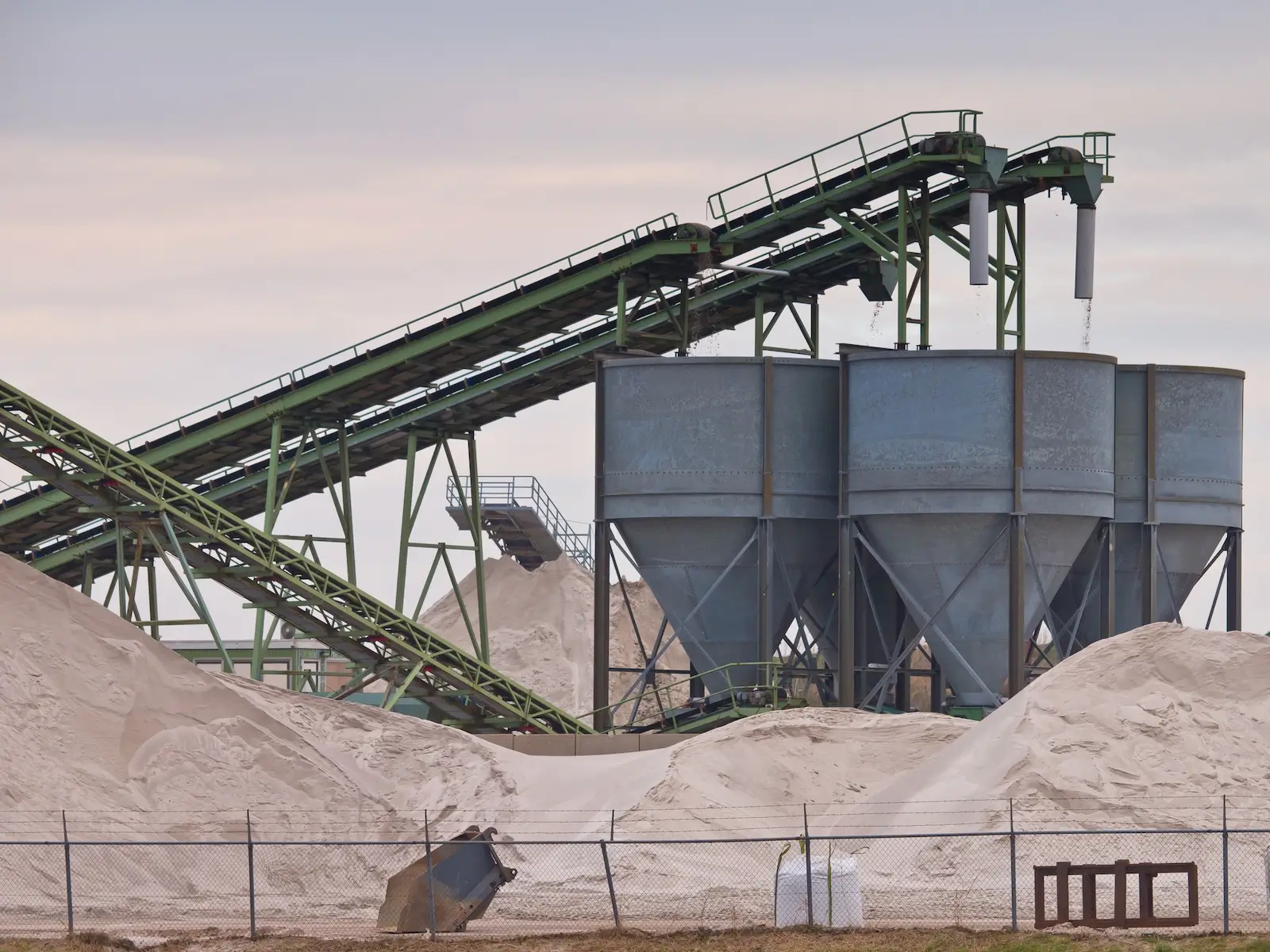
- Storage: Where flow problems originate, and raw materials are first stored. Silos designed around incorrect material assumptions cause bridging or rat-holing from day one.
- Discharge: Where downstream instability begins. If material leaves storage unevenly, every piece of handling equipment downstream suffers from surging or starvation.
- Transfer points: Where dust, spillage, and product degradation accumulate. The more transfers a process has, the higher the maintenance overhead on components.
- Loading and unloading: Where labor risks, truck dwell times, and erratic discharge bottleneck the entire processing facility.
Common inefficiencies and how to diagnose them
Storage and flow instability
Rat-holing and bridging are predictable outcomes of a mismatch between material characteristics (like moisture and stickiness) and a silo's shape.
- Rat-holing happens when material drains only through a narrow central channel, leaving stagnant product trapped along the walls. This can reduce a bin’s usable storage capacity by up to 90%, turning a massive vessel into dead space.
- Bridging happens when material forms a self-supporting arch across the outlet, completely blocking flow.
A single blocked silo requiring emergency cleanout can drain $10,000 in specialized labor and lost operational hours.
To determine whether your silo needs modification, engineers use standard tests (such as a Jenike shear test) to measure the friction your material generates against the silo walls.
Processing plants often bolt on vibrators or air cannons to force material loose, but these tools only treat the symptom. For materials that easily cake or stick, a mass-flow setup – where the silo geometry forces all the material to move at once – is required. For free-flowing, dry materials, a standard funnel-flow setup is usually the most cost-effective choice.
Understanding dry bulk material behavior
Treating all dry bulk materials as if they behave the same does not work in practice. Material characteristics are dictated by moisture content, particle size, bulk density, and cohesiveness. Look at how different bulk materials demand different handling strategies:
- Moisture-absorbing materials (e.g., salt, sugar, fertilizer): These absorb ambient humidity, causing particles to bind and form a concrete-like crust inside silos.
- Interlocking materials (e.g., wood chips, biomass): These particles mechanically hook into one another, creating physical bridges over outlets regardless of moisture. They require mechanical agitation or wide, untapered discharge setups.
- Fragile/blended materials (e.g., pellets, pet food, or mixed aggregates): These fracture easily under impact, creating excessive dust. Additionally, free-falling fine powders tend to separate (segregate), destroying batch uniformity in a blending operation across the food, beverage, chemical, paper, mining, and manufacturing industries.
Capacity creep: The silent efficiency killer
Plants rarely become inefficient because bulk material handling equipment is inherently bad. They become inefficient because production quietly doubled over a decade while the core handling system stayed the same. This phenomenon – capacity creep – is very common in growing facilities.
When a system engineered for 50 tons per hour is pushed to run at 80 tons per hour, the friction doesn't just scale linearly; it accelerates. Chutes choke, conveyor belts misalign under the weight, and motors run hot. If your facility is experiencing chronic, mysterious maintenance headaches, audit your historical throughput records. You will likely find that your mechanics are fighting a process that has outgrown its original design.
Equipment wear and maintenance overload
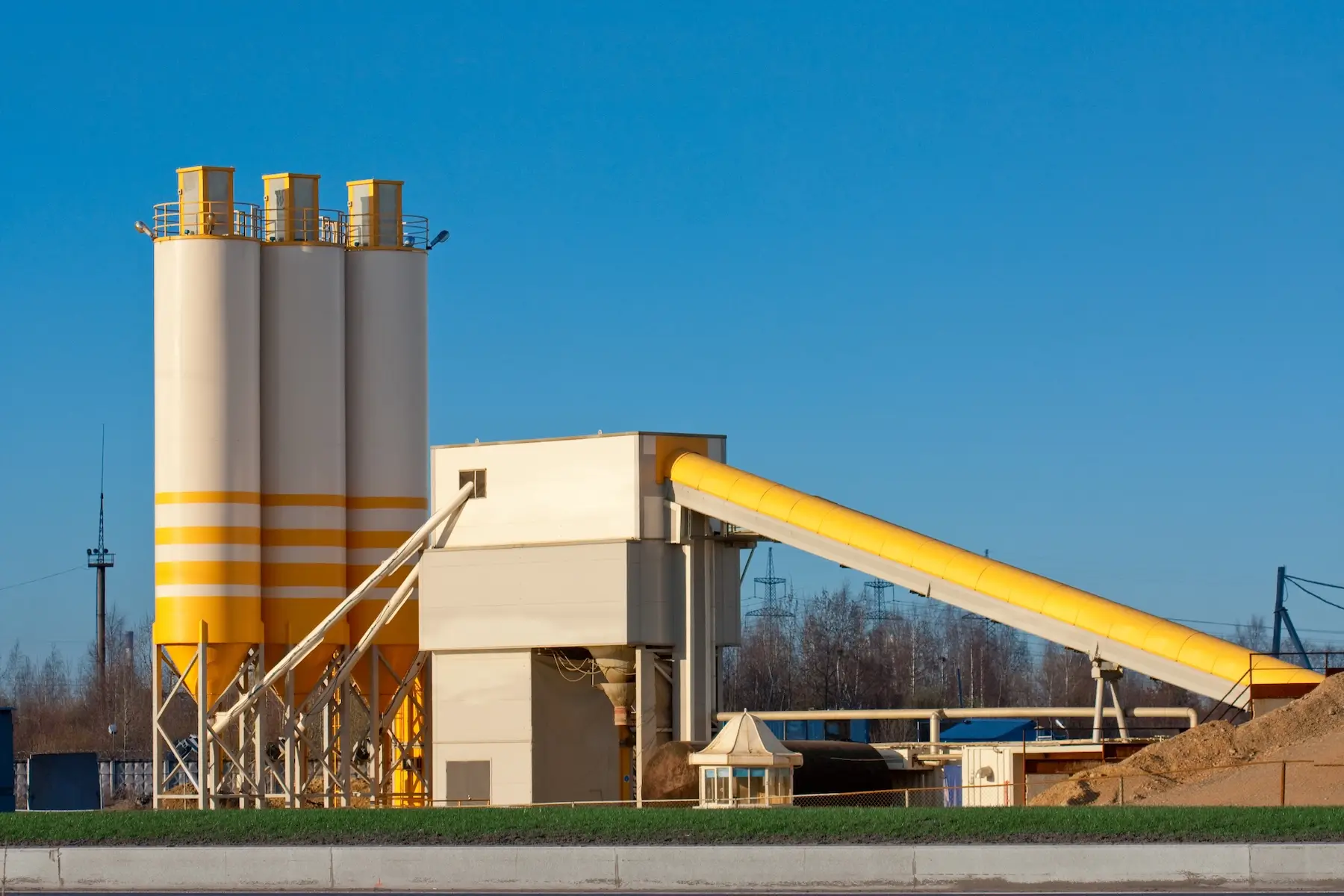
Bulk material handling equipment takes constant abuse from bulk solids like aggregates, cement, sand, and ore – materials common in construction, which are inherently abrasive. When chute angles are poor, material strikes conveying equipment at high velocity instead of sliding smoothly along it.
Frequent liner replacements, worn screw flights and drive pulley surfaces, failing drive unit components, and constant clean-outs are often accepted as routine material handling operating costs. However, they indicate a design flaw. Recent industry studies suggest that maintenance can typically account for 30–50% of total annual operating costs in bulk handling operations. When a bulk material handling system forces constant, reactive repairs at the same wear points, that percentage climbs even higher.
For example: Just one hour of unexpected downtime on a 500 t/h processing line can cost upwards of $25,000 in lost throughput and idled labor.
- Open vs. enclosed conveying
- Choosing the right handling infrastructure depends heavily on your material traits. When chronic wear points or high maintenance costs force you to reconsider how your product is contained during transit, evaluate these two paths:
- When to stay open: For rugged, high-volume transport of heavy commodities like ore, standard belt conveyor systems or stationary trippers remain the industry baseline.
- When to enclose: If your material is sensitive to dust, degradation, or pressure changes, enclosed pneumatic conveying systems or vertical bucket elevators offer tighter containment. When dealing with high-capacity requirements or tight layout changes, automated pneumatic conveying loops and high-efficiency flexible screw conveyors are among your most efficient options to prevent segregation.
Manual workarounds and loading bottlenecks
The loading and unloading stage interfaces directly with trucks, railcars, or containers used to transport bulk materials, introducing variability. Because much of this operation remains manual or semi-manual, cycle times depend heavily on operator experience, capping overall productivity.
A few extra minutes spent positioning equipment or clearing blockages compound into hours of lost throughput and productivity across operations handling large volumes. When operators regularly rely on manual workarounds – like hammering hopper walls or adjusting gates by feel – it masks the underlying mechanical instabilities and loss of control that need to be engineered out.
The business case: The cost of inaction
Proposing bulk material handling system upgrades requires justifying the expenditure to leadership. You can build a compelling return-on-investment (ROI) case by looking at three areas:
- Product waste: If your processing facility moves 100,000 tons of product monthly and suffers from a typical 3% dust and spillage loss across transfer points, you are sweeping 3,000 tons of paid-for product into the dust collector every month. This loss reduces profitability and affects your facility’s environmental sustainability.
- Truck bottlenecks: A 15-minute loading delay per truck caused by manual adjustments adds up fast. Across 20 trucks a day, that is 5 hours of wasted logistics capacity daily, often resulting in carrier penalties and yard congestion.
- Maintenance overhead: If your annual operating budget is $500,000, up to $250,000 is likely swallowed by repairs. Reducing wear-point friction by just 20% drops $50,000 directly back to your bottom line while improving reliability and overall cost effectiveness.
How to map your facility’s true bottleneck
The place where your production line slows down is rarely where the problem actually begins. To find the root cause, follow these diagnostic steps:
- Trace the material, not the machines: Do not just look at individual assets. Walk the line and look for the gaps between handling equipment where material changes direction, slows down, spills, or generates dust.
- Measure dwell time: Track exactly how long material sits idle between active process stages. Look at truck wait times, how often conveyor belts run partially loaded, and how long downstream equipment sits starved for feed.
- Audit manual interventions: Ask yourself: What would stop if nobody physically touched the handling systems for the next hour? The answer will instantly flag your weakest links.
- Compare design capacity against actual throughput: If a system is running at 70% of its engineered capacity, it is rarely because the equipment is undersized. It is almost always due to flow instability, wear-induced downtime, or process friction.
Action plan: Quick fixes vs. long-term upgrades
You don’t need to completely rebuild your facility to get better results. Most plants have to work within the limits of an existing, imperfect layout. Use this simple two-tier framework to prioritize your next steps and optimize the space you already have.
Tier 1: Low-cost “quick wins”
These are immediate, budget-friendly adjustments you can make using your existing setup:
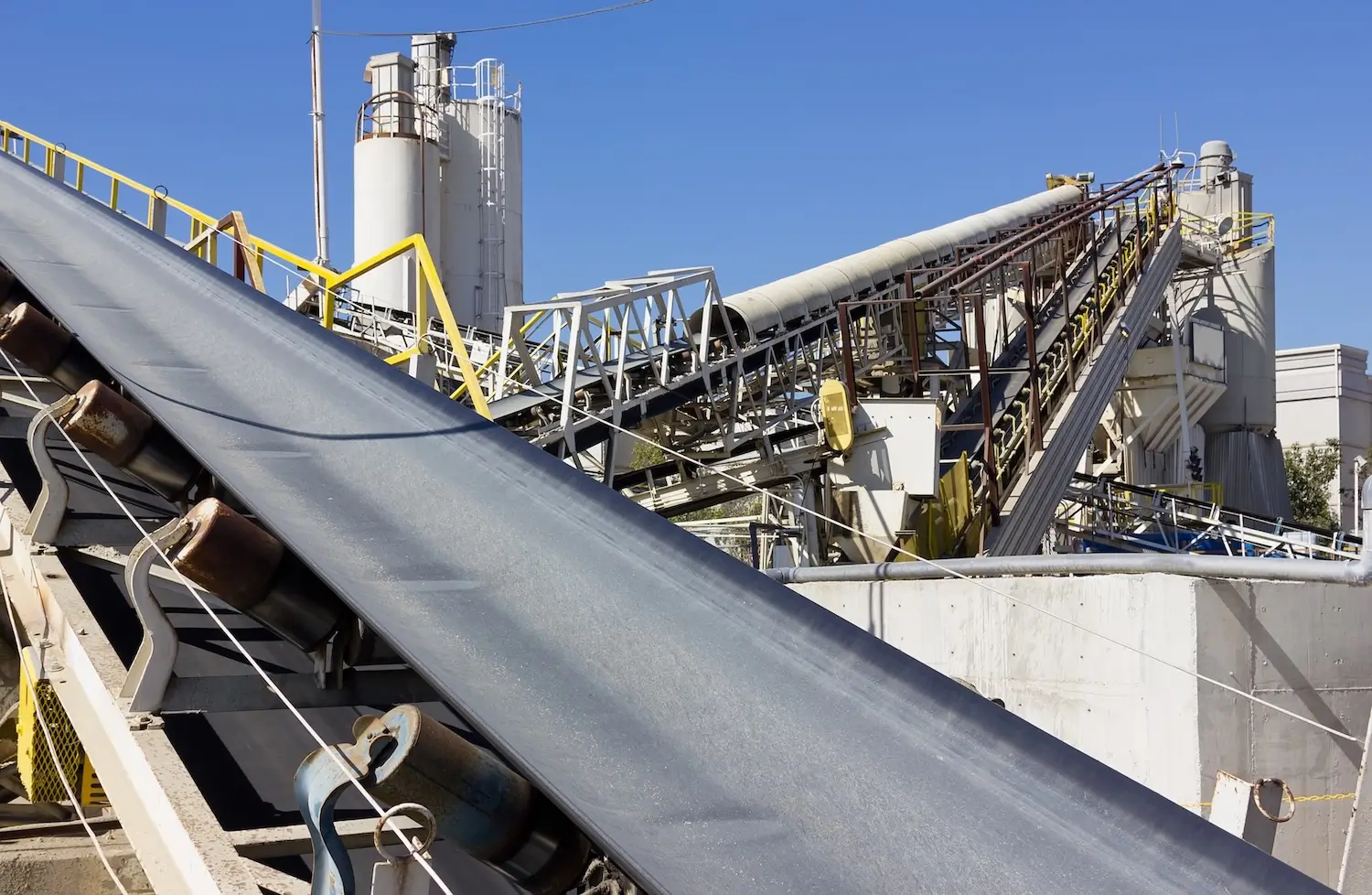
- Realignment: Readjust flow gates so material lands dead-center on your belt conveyor systems. This stops tracking issues and side-spillage right away.
- Containment: Install or extend rubber skirting and mechanical seals at transfer points to keep dust from escaping.
- Upgraded scrapers: Replace worn-out primary and secondary belt conveyor cleaners. Getting rid of “carryback” (the extra material that sticks to the underside of the belt) immediately cuts down on manual cleanup hours. Also, inspect the gravity take-up unit to ensure proper belt tension and reduce slippage.
- Safety audits: Enforce strict lock-out/tag-out (LOTO) rules for clearing even minor blockages. This turns safety from a textbook rule into an essential daily habit.
Tier 2: Targeted infrastructure investments
When a quick fix can't overcome a fundamental design flaw, target your budget toward these high-return technologies and projects. These require more planning than a quick maintenance adjustment, but deliver significant operational paybacks:
- Silo retrofits: Instead of replacing a troublesome silo, install internal flow cones or slick liners. This changes how the material moves, shifting it to a smooth, reliable flow without replacing the whole structure.
- Smart sensors: Add basic, targeted tracking tools like continuous level indicators, load cells, belt scales, or variable speed drives. These give you the data needed to spot a slowdown or blockage before it turns into a total system shutdown.
- Loading and unloading automation: Replace slow, manual tasks with automated loading spouts and container systems. Bringing automation to your shipping and receiving docks removes human error, slashes truck cycle times, and keeps yard traffic moving.
Handling systems for loading and unloading
At the loading and unloading stage – where variability is highest and manual workarounds are most common – specialized equipment can eliminate bottlenecks that process changes alone can't fix. If you've identified loading and unloading as your primary bottleneck, there are several efficient options to automate it depending on how material leaves your site:
Container systems
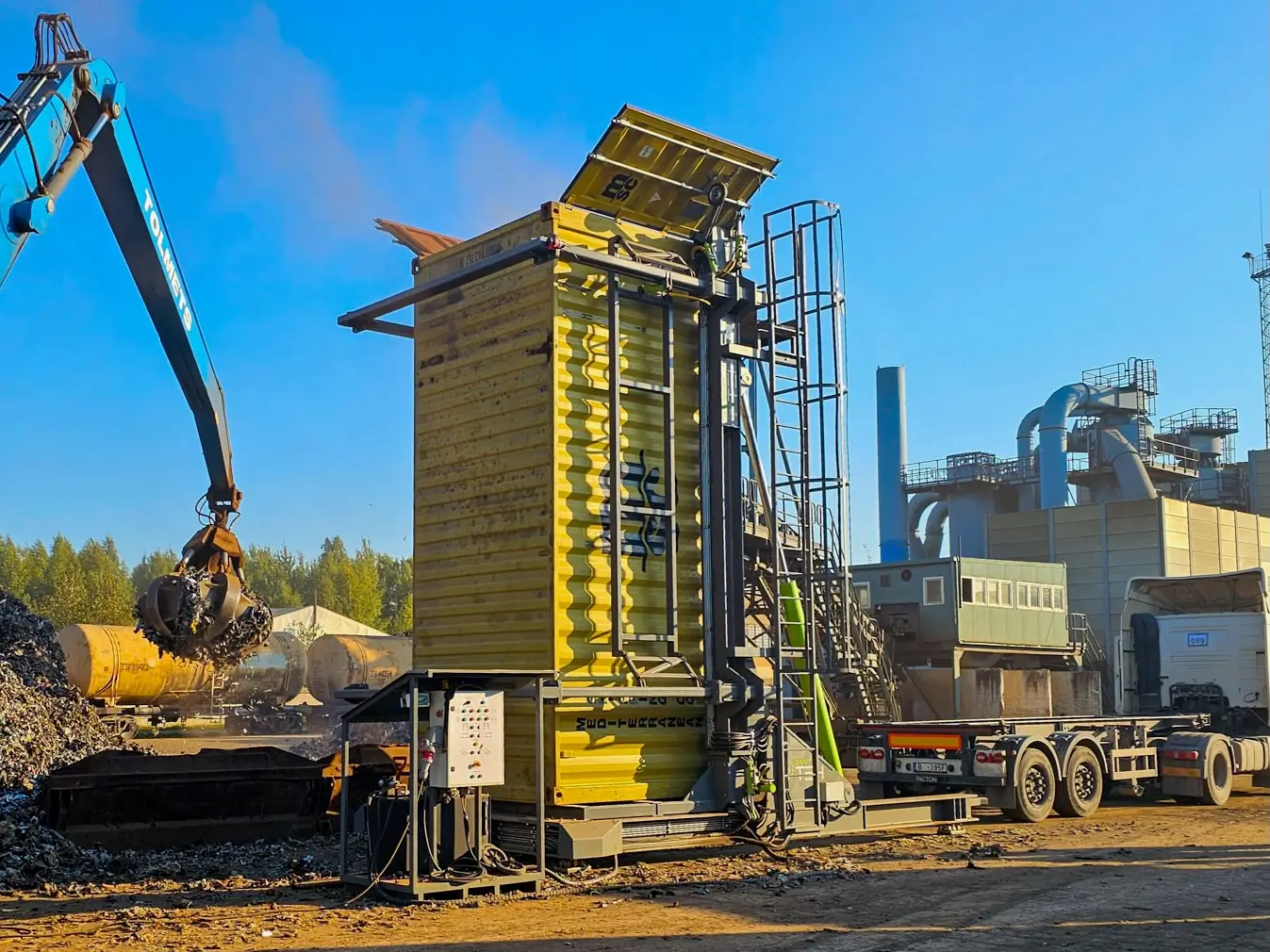
Container tilters: If you transport bulk cargo in standard shipping containers, a tilting system allows a single operator to lift 20-foot and 40-foot containers for fast, gravity-assisted loading and unloading. This method allows you to utilize 100% of the container's capacity while freeing up a large area of your yard.
Horizontal container loaders: For operations moving cargo in FIBCs (big bags) or rigid IBCs (totes), a horizontal loading system uses an automated load plate to transfer full batches into a container in a single, smooth motion.
Specialized conveyors
Hopper car unloaders: Designed for rail logistics, mobile hopper wagon unloaders can process up to 800 cubic meters of material per hour. This transfer method helps minimize product damage, avoid product loss, and cut operational costs.
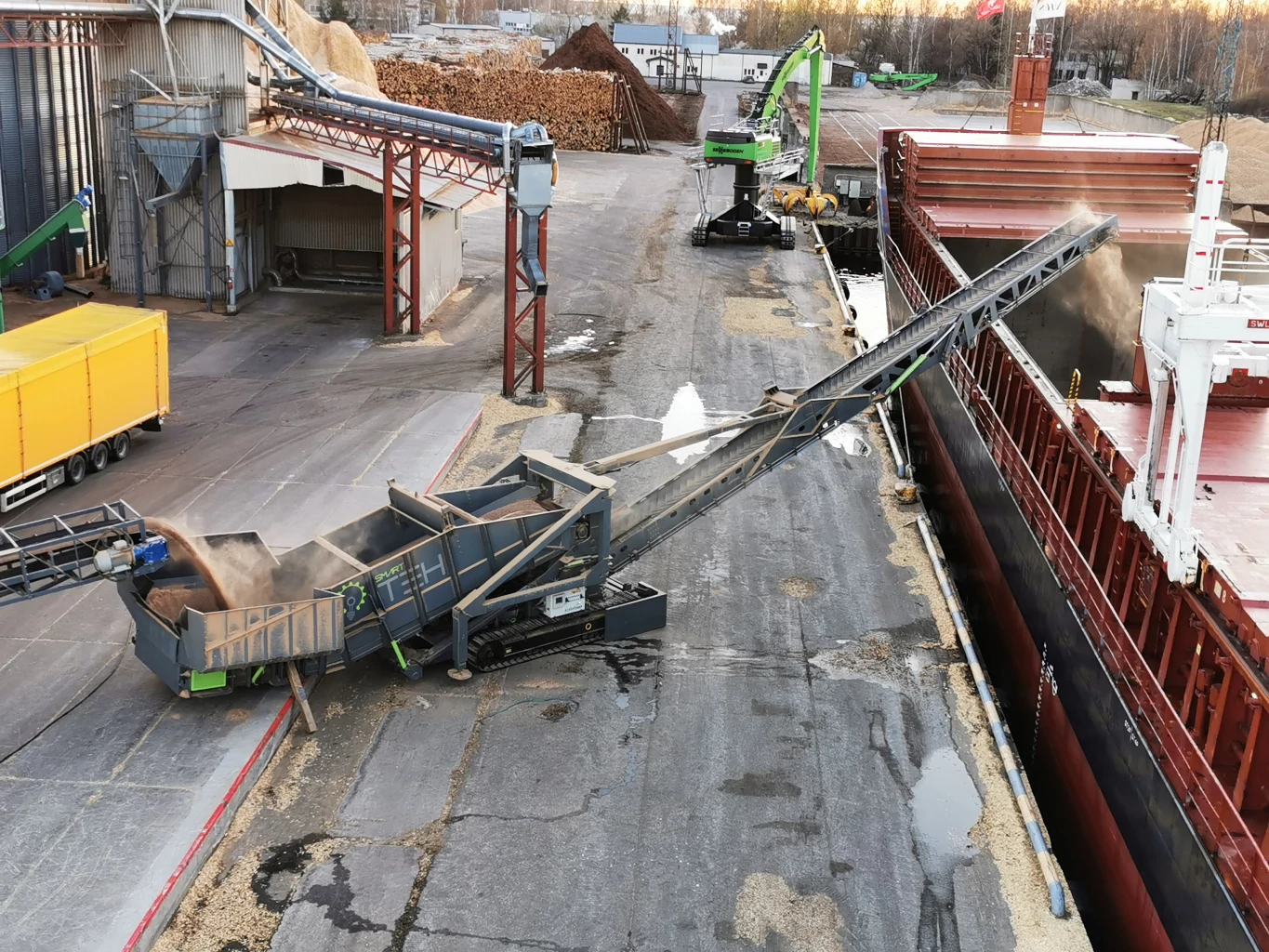
Mobile conveyors: When loading ships, barges, or railcars – or stacking material inside large storage hangars – fixed infrastructure limits your flexibility. Mobile conveying equipment lets you adjust discharge points on the fly, making multi-destination loading significantly more efficient.
Build the setup your material needs
Most bulk handling facilities aren't failing – they're just quietly underperforming. The losses are real, but they're distributed across dozens of small friction points that individually never seem urgent enough to fix.
The facilities that close that gap don't do it with a single capital project. They do it by treating material behavior as the starting point for every decision: how it flows, how it degrades, how it segregates, and where it resists the path you've designed for it. Once that understanding is in place, the right interventions become obvious rather than speculative.
Start with your biggest bottleneck. Measure what's actually happening, not what the system was designed to do. Fix one thing, verify the result, and move to the next. That compounding approach is how facilities reliably cut waste, reduce maintenance overhead, and build operations that don't depend on someone always being there to hold them together.